Passenger vehicles
Confirm vehicle year, brake package and axle loads. Offset and spoke clearance must be considered together with the intended tire size.
Application analysis
A vehicle package and its operating environment determine which dimensions and evidence deserve attention.
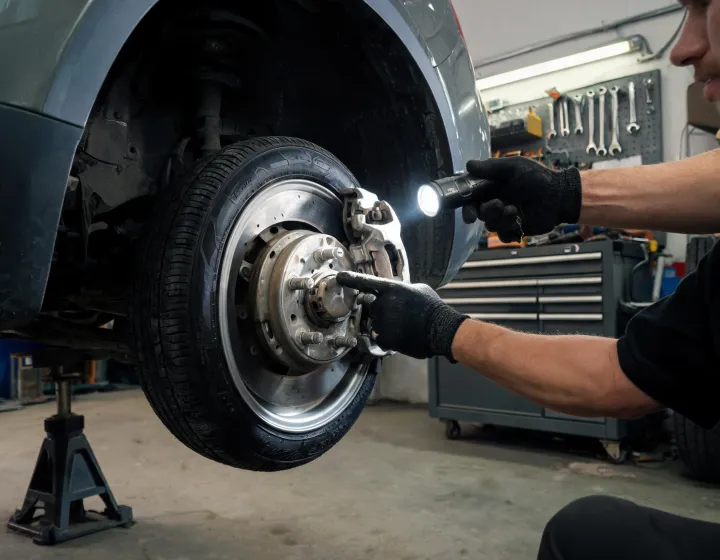
Confirm vehicle year, brake package and axle loads. Offset and spoke clearance must be considered together with the intended tire size.
Define whether the wheel is intended for road or closed-course use and specify the thermal and load cases relevant to that duty.
Common vehicle configurations, replacement requirements and service conditions shape the information needed for procurement.
Nonstandard platforms require a separate interface and load assessment. Availability and suitability must be confirmed for each program.
The table is a starting point for a technical conversation, not a fitment approval. The applicable wheel and validation scope depend on the actual vehicle and market.
| Review area | Information to provide | Why it matters |
|---|---|---|
| Mounting | PCD, center bore, fastener seat | Locates the wheel against the hub and defines the joint interface. |
| Packaging | Diameter, width, offset, brake envelope | Determines clearance to brakes, suspension and bodywork. |
| Duty | Axle load, road or track use, tire size | Frames the load cases and operating conditions for review. |
| Evidence | Market, product revision, test requests | Allows the team to check the scope of relevant documentation. |
Wheel appearance is only one part of selection. A similar-looking design may differ in its mounting surface, center bore or load rating. Ask for the specification associated with the exact product and avoid extrapolating results from another size.
Provide the known dimensions and identify any constraints that still need confirmation.
Discuss an application